
Remodeling a Kitchen for Accessibility and Everyday Comfort
By: Lydia Chan
Kitchen remodeling for accessibility is about more than meeting minimum standards — it’s about creating a space where every family member, including those with disabilities, can cook, gather, and participate safely and comfortably. Whether you’re planning ahead for aging in place or adapting your home for a loved one, an inclusive kitchen remodel can feel warm and welcoming — not clinical.
The good news: thoughtful design often benefits everyone in the household.
A Quick Snapshot of What Matters Most
● Plan for varied counter heights and roll-under workspaces.
● Make storage reachable without strain or climbing.
● Choose appliances that reduce bending, lifting, and twisting.
● Layer lighting to eliminate shadows and glare.
● Install slip-resistant, smooth flooring.
● Focus on small safety upgrades that blend into your style.
Accessible design doesn’t have to look medical. In fact, the best remodels feel like beautiful, functional kitchens that just happen to work for more people.
Counter Heights & Roll-Under Workspaces
Traditional counters are typically around 36 inches high. That works for many people — but not all.
An inclusive kitchen often incorporates:
● A lowered prep area (28–34 inches) for seated users.
● Knee clearance beneath at least one sink or prep zone.
● Rounded counter edges to reduce injury risk.
● Contrasting counter colors to help define edges for people with low vision.
A roll-under sink or prep station allows someone using a wheelchair to comfortably participate in cooking and cleanup. Even for standing users, having multiple counter heights can ease back strain and make baking or chopping more comfortable.
Storage That Works for Everyone
Accessible storage isn’t about removing cabinets — it’s about making them usable.
Smart Storage Solutions
● Pull-out shelves instead of deep fixed cabinets.
● Full-extension drawers with easy-grip handles.
● Lazy Susans in corner cabinets.
● Soft-close hardware to prevent pinched fingers.
● Pull-down shelving systems in upper cabinets.
Drawers are often more accessible than lower cabinets because they eliminate the need to kneel or dig around in dark spaces. When everyday items are placed between knee and shoulder height, the entire kitchen feels easier to use.
Why Plumbing Fixtures Deserve More Attention
Plumbing fixtures play a surprisingly central role in an accessible kitchen remodel. Lever-handle or touchless faucets support users with limited grip strength or motor differences, making everyday tasks smoother. Roll-under sink installations increase independence for seated users, while pot-filler faucets near the stove reduce the need to carry heavy water-filled cookware. Pull-down sprayers also make rinsing and cleaning more manageable for everyone.
Sourcing the right components is easier when working with a trusted supplier that offers a wide range of plumbing supplies, including accessible-friendly faucets, valves, and sink configurations that fit different layouts and mobility needs. The right fixture choices can quietly transform how comfortable and safe the kitchen feels.
Appliance Placement & Configuration
Appliances can either create daily obstacles — or remove them.
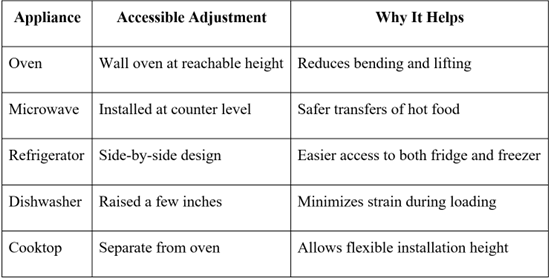
Placing frequently used appliances within easy reach helps prevent burns, spills, and fatigue.
Lighting That Reduces Strain
Lighting is often overlooked in accessibility conversations, yet it has a major impact.
Consider:
● Under-cabinet task lighting.
● Bright, evenly distributed overhead lighting.
● Dimmer switches for flexibility.
● Minimal glare finishes on surfaces.
● Motion-sensor lights in pantries.
Good lighting reduces eye strain, improves safety when handling knives or hot surfaces, and creates a welcoming atmosphere.
Flooring: Safe, Smooth, and Stylish
The best accessible flooring is:
● Slip-resistant.
● Smooth enough for mobility aids.
● Low-gloss to reduce glare.
● Free of abrupt transitions.
Luxury vinyl plank, cork, and certain textured tiles are common choices. Avoid thick rugs that create tripping hazards. If you love the look of a runner, choose one with secure non-slip backing.
Step-by-Step: Planning an Inclusive Remodel
Identify who will use the kitchen daily.
Measure reach ranges (standing and seated).
Map primary cooking pathways.
Decide which areas need roll-under access.
Select hardware and fixtures early.
Confirm door widths and clear floor space.
Review lighting plan for shadow-free zones.
Choose flooring before cabinetry installation.
This structured approach keeps your remodel focused on real-life usability.
Accessible vs. “Medical” Retrofits
Some people hesitate because they imagine stainless steel grab bars and hospital-style layouts. That’s rarely necessary.
Expensive medical-style retrofits often:
● Prioritize institutional durability over warmth.
● Focus narrowly on compliance.
● Feel disconnected from family life.
Inclusive, family-friendly remodels:
● Blend accessibility with style.
● Improve function for children, older adults, and guests.
● Feel cohesive with the rest of the home.
Wide walkways benefit strollers and holiday gatherings. Pull-out shelves help anyone who dislikes digging in cabinets. Lever handles are easier when your hands are full.
Accessibility, done well, simply feels thoughtful.
Frequently Asked Questions
Do I need to follow ADA standards in my home?
Private homes are not legally required to follow ADA standards unless specified by local regulations. However, ADA guidelines can serve as a helpful reference point.
Is remodeling for accessibility expensive?
Costs vary. Some changes, like installing lever handles or pull-out shelves, are modest upgrades. Structural changes such as lowering countertops or relocating plumbing may cost more.
Can I make my kitchen accessible without a full remodel?
Yes. Swapping hardware, improving lighting, reorganizing storage, and replacing faucets can significantly improve usability without gutting the space.
A Trusted Resource for Design Guidance
For homeowners seeking broader design recommendations, the National Kitchen & Bath Association (NKBA) provides educational resources and professional guidance on kitchen planning.
Their guidelines help homeowners balance function, safety, and aesthetics — especially when working with designers or contractors.
Conclusion
Remodeling a kitchen for accessibility is ultimately about dignity, independence, and shared family life. With thoughtful planning — from counter heights to lighting — your kitchen can become safer and more comfortable for everyone.